County 521
54. Table of Contents Previous Next
11/15/26
Uncle Dave Macon and Uncle Dave Freeman
Duke Ellington said, “There are simply two kinds of music, good music and the other kind.”
I know that now. I also know that life is more interesting with a little variety. But I’ll take you back to a time when I was looking for THE music that was better than what everyone else was listening to and playing. I thought I had found it, several times.
When I accidentally discovered the Rich-R-Tone recordings of the Stanley Brothers in the public library across the street from my high school, I thought, “This is it! I have found the origin – primeval hillbilly music.” As a teenager, I never stopped to think about what came before them. It would have been like asking what came before the Big Bang. Yes, I had heard the Carter Family and Jimmie Rodgers and realized that their records were made earlier. But I wasn’t thinking about recording dates. I was thinking about the sound – the singing, the banjo, the fiddle, well – just the whole package. That raw mountain sound.
So I became smug, thinking all my friends who listened to Bill Monroe, Jimmy Martin, and all that other modern stuff didn’t know where the music came from. I didn’t realize then that Monroe had recorded before the Stanleys and that they had even recorded a couple of Bill's songs on those Rich-R-Tone records. Well, I was soon proved wrong about that and had to admit it. But I still thought Carter and Ralph’s early material was superior to anything else, except Buzz Busby, whose records had been spinning in our house since I was ten years old.
______________________________
Do you remember “The Grand Ole Opry Song” that Jimmy Martin recorded? It’s about the Opry in the fifties, when many of the original cast members were still there. In the song, Jimmy mentioned Uncle Dave Macon and Bradley Kincaid. I had never heard of them, and I hadn’t yet developed my intellectual curiosity to the point of needing to find things like that out. But “The Grand Ole Opry Song” was in my head, and I remembered those names.
___________________________________
In the 1970s and 80s, Peaches Records and Tapes was a department store for recorded music. And the best thing about it was that it was in my hometown of Rockville, Maryland. Nearly the size of a supermarket, Peaches stocked all genres of music. They even had a large bluegrass section. Every payday, I shopped there for a couple of records, which was all I could afford.
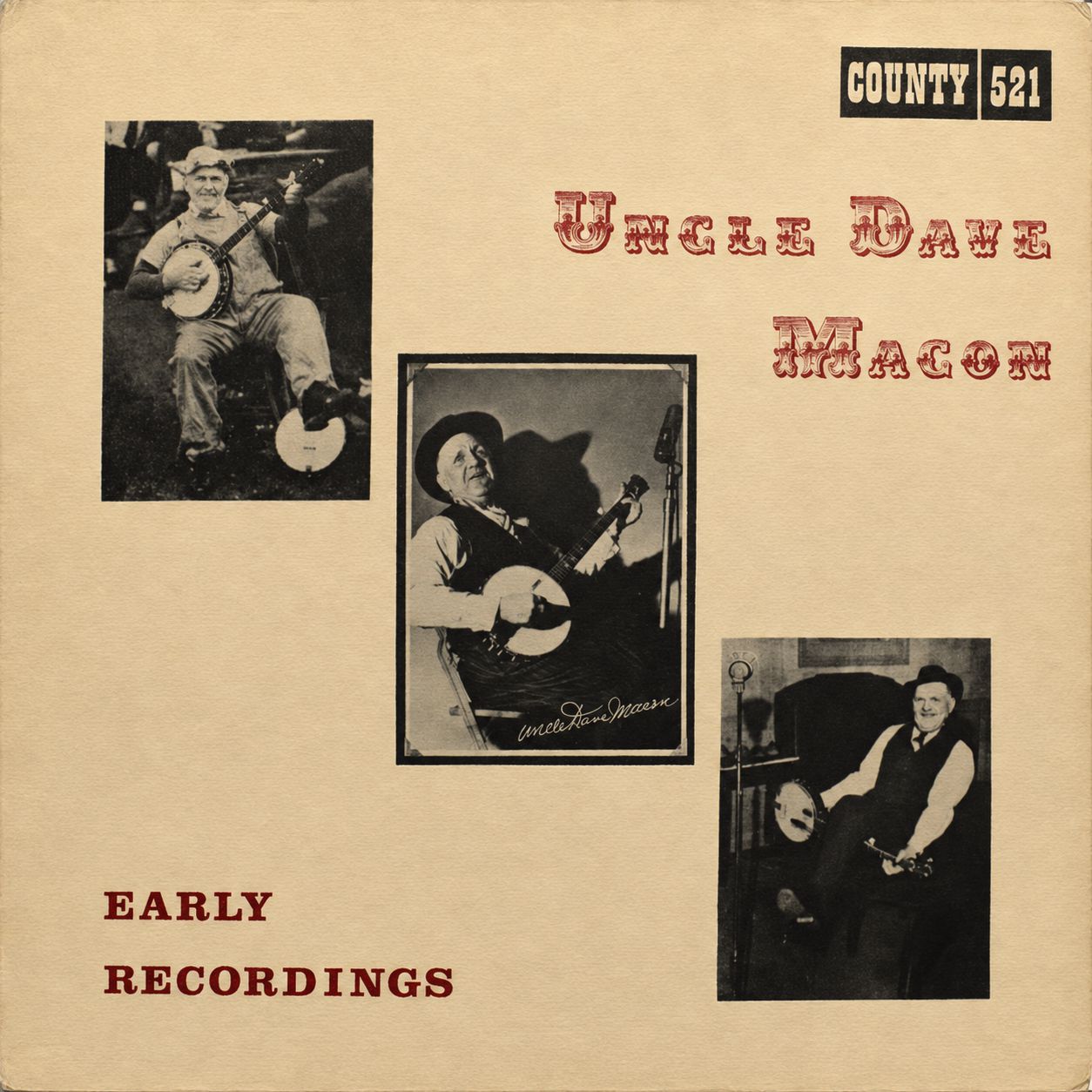
One day in about 1976, during my weekly escape into the fantasy land of Peaches, I spotted a new rack of records, all on the same label, County Records. I said to myself, “What’s this? All of these are bluegrass records.” On closer inspection, they weren’t exactly bluegrass. They were mostly reissues of music from the 1920s. Wow! It was then that I spotted a record with three pictures of the same banjo player, Uncle Dave Macon. I thought, “Hey, that’s the fellow Jimmy Martin was singing about.” So I bought the record that changed my life.
After I listened to Uncle Dave Macon, I thought I’d never listen to those Rich-R-Tone records again, because this was really it! This is what happened before the Big Bang. I had found the source. Macon played three or four different styles of banjo and sang funny songs, ballads, gospel, you name it. Some were solo numbers, and others had fiddle and guitar accompaniment. My favorite song on the album was the tongue-twister “Worthy of Estimation.” I was hooked.
The following Friday at Peaches, I saw another banjo player on a cover and bought that record. It was Charlie Poole. When I put that one on the turntable and heard Charlie sing “Budded Roses,” “Goodbye Liza Jane,” and ten more, I just about fell out.
I didn’t wait a week. I went back to Peaches the next day. But that time, I asked about the label, County Records. The store manager told me it was owned by Dave Freeman, from New York. “New York? What?” It didn’t matter. Dave Freeman was my new hero. I bought the Skillet Lickers’ “Old Time Tunes,” on County 506. The first song was “Molly Put the Kettle On.” It started with a guitar introduction, and then all hell broke loose. Another new favorite, another new ‘best ever.’
When I found out that the County catalog included bluegrass too, I knew it must be the good stuff. I picked up two Red Allen records, County 704 and 710. Oh my goodness, those were great records. I had found my second-best bluegrass hero, next to Buzz Busby, of course. The poor old Stanley Brothers had been demoted to number three.
The next one I bought was County 723, “Back Home in the Blue Ridge” with Oscar Jenkins, Fred Cockerham, and Tommy Jarrell. How great it was! And the liner notes told me that those fellows were still living and playing. “I’m going to find them,” I said to no one.
By 1980, I had bought a copy of just about every County release I could get my hands on.
It took a couple of years to put my plan to hear old-time music at its source into action. By 1985, I had made my way to Mount Airy, Galax, Union Grove, Cockerham’s Store in Floyd, Virginia, and several other places where I could experience authentic mountain music. Having never played anything other than bluegrass, I didn’t know how to join in. Eventually, though, I felt confident enough to play along on guitar in the outer circle of some of the jam sessions.
Forty years later, I'm still making those summer trips to the musical mecca of Southwest Virginia, North Carolina, and East Tennessee to experience old-time music, bluegrass, and a few other things thrown in.
I’ll never forget the day I dropped the needle down on that Dave Macon record, and I can never thank Dave Freeman enough for making all that wonderful music available. Through his records, Dave had a profound impact on my life, one that continues to reverberate today. I regret that I never told him so before he left this world in 2023.
Tom Mindte
November 2026
County 521
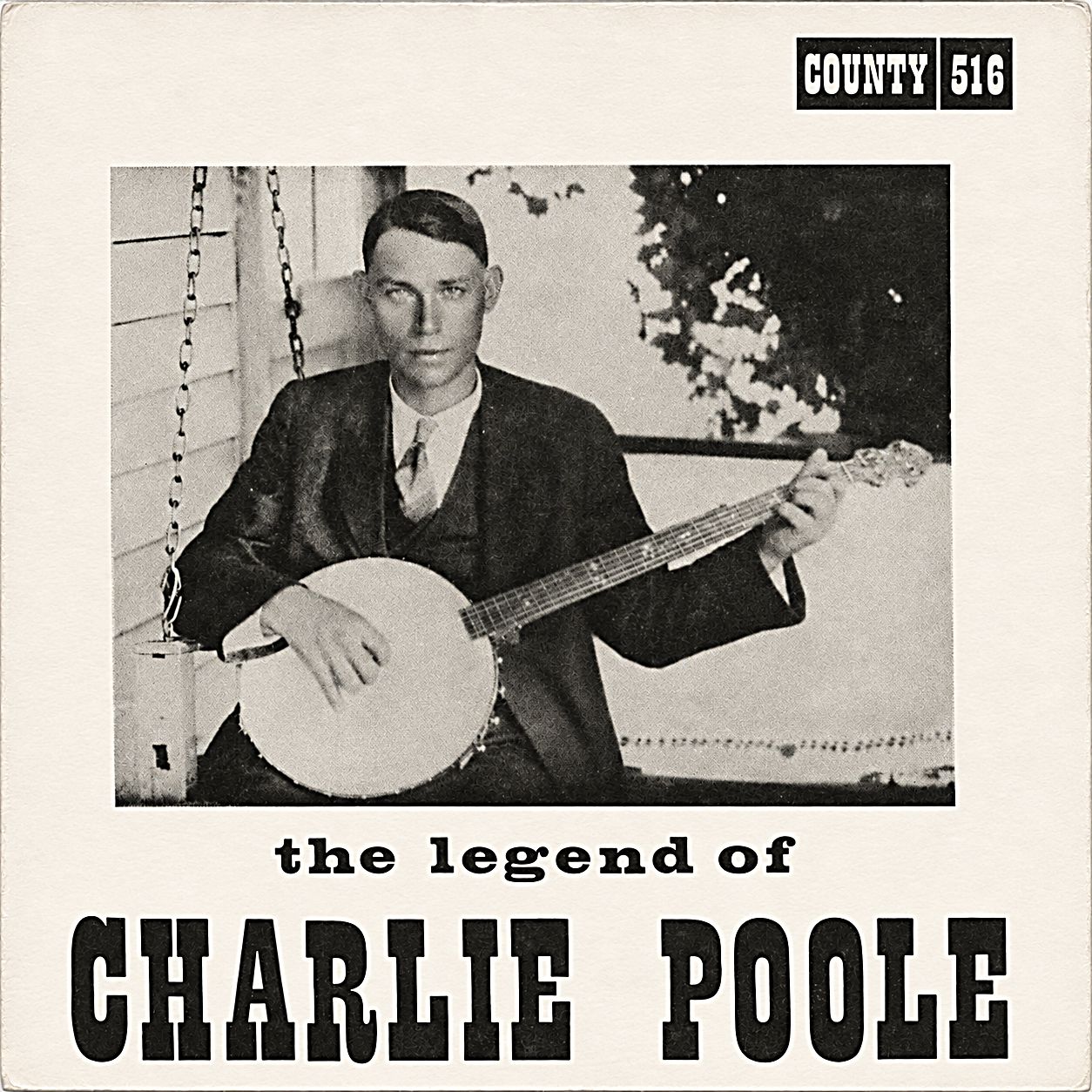
County 516
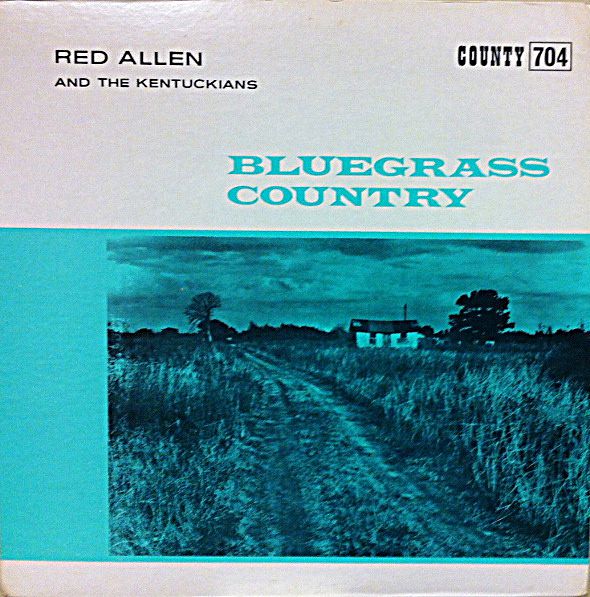
County 704
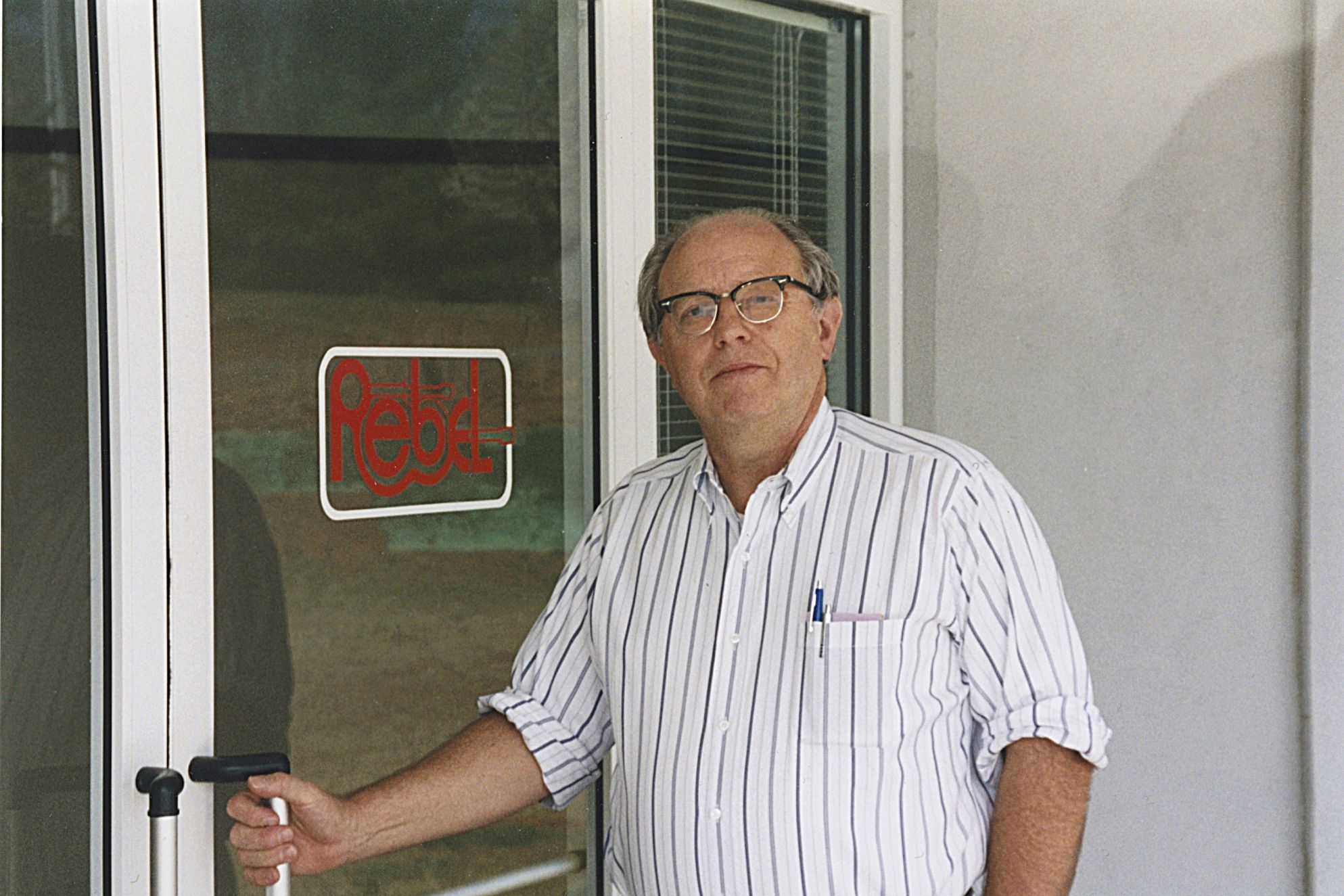
Dave Freeman